National Activity Guidelines
Current activity recommendations
National guidelines state that adults should aim to get at least 150 minutes of weekly physical activity. This equates to around 30 minutes of moderate activity, or 15 minutes of vigorous activity, five days a week.
The guidelines also say we should reduce the amount of time spent sitting or lying down and break up long periods of not moving with some activity.
Adults (aged 18–64)
These guidelines are also suitable for disabled adults, pregnant women and new mothers. Make sure the type and intensity of your activity are appropriate for your level of fitness. To stay healthy, adults aged 18–64 should try to be active daily. They should do the following:
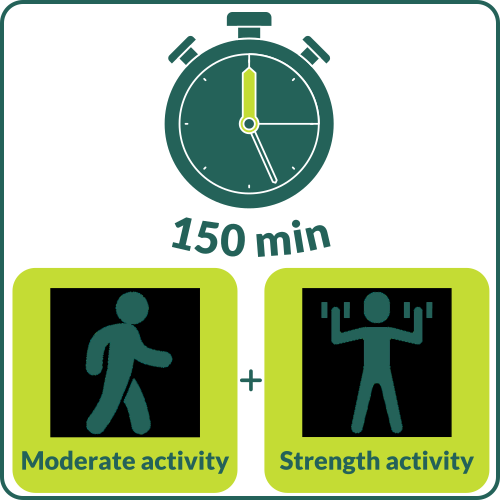
At least 150 minutes of moderate aerobic activity such as cycling or fast walking every week,
and
Strength exercises on two or more days a week that work all the major muscles (legs, hips, back,abdomen, chest, shoulders and arms)
Alternatively
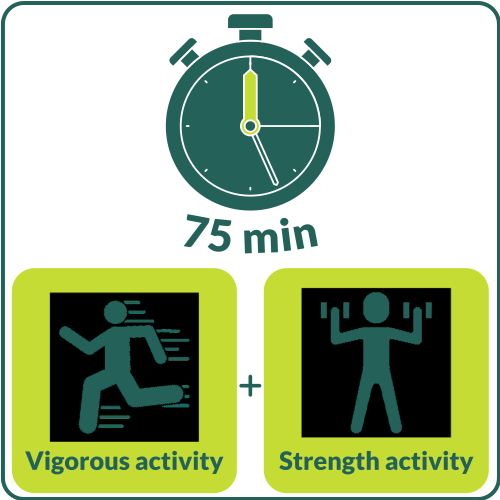
75 minutes of vigorous aerobic activity such as running or a game of singles tennis every week,
and
Strength exercises on two or more days a week that work all the major muscles (legs, hips, back, abdomen, chest, shoulders and arms)
Alternatively
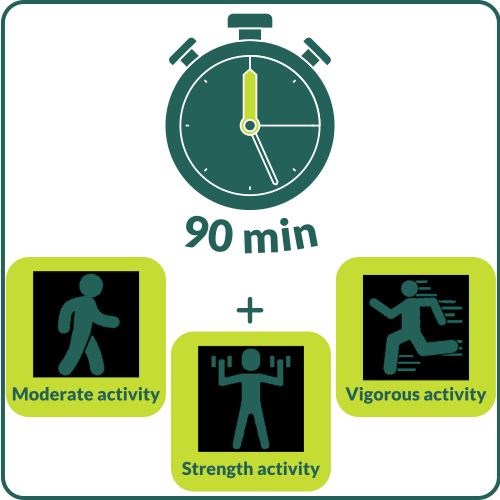
A mix of moderate and vigorous aerobic activity every week. For example, two 30-minute runs plus 30 minutes of fast walking equates to 150 minutes of moderate aerobic activity,
and
Strength exercises on two or more days a week that work all the major muscles (legs, hips, back, abdomen, chest, shoulders and arms).
Adults (aged 65 +)
Adults aged 65 or older who are generally fit and have no health conditions that limit their mobility, should try to be active every day. The more you do the better, even if it is just light activity.
If you are worried about falling, doing exercises to improve your strength, balance and flexibility will help make you stronger and feel more confident on your feet. Speak to your GP if you have any concerns about exercising.

Exercise and Physical Activity
Regular physical activity plays an important role in weight management and overall health, helping to improve fitness, wellbeing, and reduce the risk of long-term health conditions. This resource explores the benefits of exercise and provides practical guidance to help you become more active in a way that works for you.

How to be more active throughout the day
Finding ways to move more throughout the day can support weight management and improve your overall health and wellbeing. This resource shares simple, practical ideas to help you reduce sitting time and build more physical activity into your daily routine.

