Advice for stopping GLP-1 analogs or Tirzepatide (Mounjaro)
Why am I being given this advice?
Why might I stop treatment?
- Medication not working – if you or your healthcare team feel that the medication isn’t helping you achieve your weight loss or blood sugar goals.
- Side effects – you may have to stop due to side effects ; given time, the side effects often wear off, this is not always the case.
- Pregnancy , breastfeeding or planning a family – these medications should not be taken during pregnancy, during breastfeeding or for some time before trying to get pregnant.
- Healthcare team review – National guidelines help your healthcare team decide if these medications are right for you. If the guidelines suggest they’re not suitable, your healthcare team may contact you to discuss stopping them.
Planning Your Next Steps
-
Talk to your prescriber
- Don’t make this decision alone.
- If your healthcare team has advised stopping the medication, they will discuss the reasons and next steps with you.
- Some people find that gradually reducing the dose of medication helps prevent hunger and weight gain; you may wish to discuss this with your healthcare team.
- Agree on lifestyle changes and realistic milestones to help prevent weight regain.
-
Medication that may be recommended
- Dapagliflozin (if you are eligible) may be offered as an alternative even if your blood glucose is well controlled, and it can also help protect your heart and kidneys.
- A statin may be recommended to further reduce your risk of heart disease.
-
Track your health markers
-
Ask your healthcare professional about a monitoring schedule to help you stay on track.
-
-
Develop SMART action plans
-
Have simple, well‑rehearsed “if–then” plans you can put into practice easily and refer to the practical lifestyle advice below.
-
Keep an eye on what you are eating
Be mindful that on stopping medication, your hunger may increase and fullness may decrease -
Check if you are 'head' hungry or 'tummy' hungry. Having a drink and waiting for 15 minutes can help you sense check whether you are really hungry or just bored and 'head' hungry.
Practical tips
- Consider using a food diary or app for the first few weeks to rebuild awareness of portions.
- Focus on regular meals with enough protein to keep you full.
- Avoid long gaps followed by very large meals.
- Watch out for high-calorie drinks (fruit juice, alcohol, sweetened coffee).
Shop and Cook Healthy
 Shopping
- Plan your shopping in advance and take a list
- Make sure you buy plenty of:
- Lean protein such as eggs, chicken, fish, tofu, pulses
- Vegetables and salad (fresh or frozen)
- Wholegrains (brown rice, oats, wholegrain bread)
- Limit ultra-processed snacks and sugary foods at home.
- Don’t go shopping when you’re hungry – you’re more likely to buy unhealthy foods
 Cooking
- Batch cook healthy meals and freeze portions.
- Use healthy cooking methods such as grilling, baking, steaming or air-frying.
- Use herbs and spices instead of sweet and high fat sauces
Taming your hunger when you eat
This is hard but there are things you can do:
Fill up on proteins
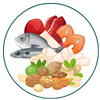
Proteins such as chicken, fish, eggs, beans and pulses (e.g. chickpeas, butter beans, kidney beans and lentils), nuts and seeds help to keep you fuller for longer and prevent sugar surges and falls (which make you hungry again).
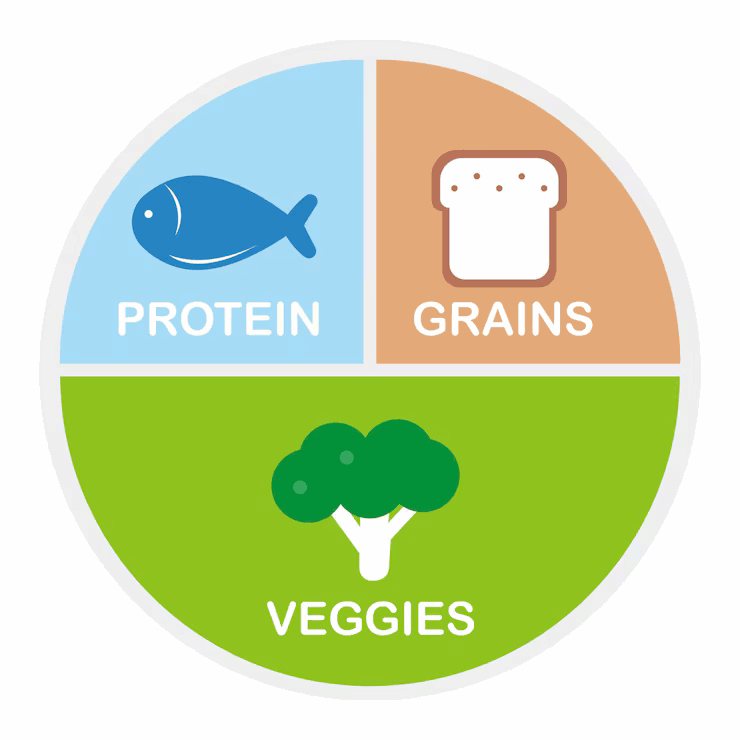
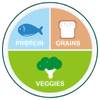
Include plenty of non-starchy vegetables with your meals - examples include kale, spinach, lettuce, rocket, cabbage, carrots, swede, courgettes, squash, broccoli, cauliflower and mushrooms. Fill at least half of your plate with these as per the diagram on the right.
Drink plenty
Try to drink mainly water and at least 2 litres a day. Drinking 500mls before meals can help reduce your energy intake by 15%.
Eat regularly
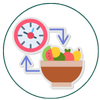
And try to have breakfast, this may help minimise hunger and overeating.
Use smaller plates

You'll serve smaller portions.
Avoid distractions when eating

Things that can help are:
- turning off the TV, your mobile phone, other devices etc
- being more mindful of your mouthfuls
- sitting at a table when you eat.
SLOW down....
Eat slowly and make sure you enjoy every mouthful. Try putting your knife and fork down between bites and swallow your mouthful before thinking about the next one. Time yourself, aiming to eat your meal over a period of at least 20 minutes.
Limit alcohol
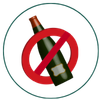
Alcohol can make you feel more hungry. If you do have an alcoholic drink, try to have low alcohol versions and don't drink on an empty stomach as you'll be more tempted to reach for the snacks.
Keep active
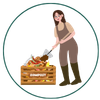
Keeping active, particularly after eating, helps to lower your glucose levels naturally.
Build Healthy Eating Habits for the Long Term
You do not need to eat perfectly all the time; what matters most is doing well most of the time.
Helpful ideas
- Cut down on foods that make you overeat, such as sugary snacks or white bread.
- Include protein and fibre with each meal (for example eggs, fish, beans, vegetables).
- Some people find it helpful to eat all meals within a set time each day, for example over 10–12 hours.
- Plan treats sometimes, instead of snacking without thinking.
Get Your Family and Friends Involved
How they can help
- Tell them your hunger may increase. This is normal.
- Ask them to support you having healthy food at home.
- Try to eat meals together when you can.
- Choose meals that are healthier for everyone.
- Agree to keep fewer sugary or snack foods in the house.