GLP-1 analogue medicines
This section brings together information and resources about GLP-1 medicines and tirzepatide, including how they work, how they are used in diabetes care, and what to expect when taking them. You’ll find guidance on GLP-1 receptor agonists, oral treatments such as Rybelsus, and information for people who are stopping GLP-1 medicines or tirzepatide. These resources are designed to help you better understand your treatment options and support you in managing your diabetes with confidence.
Advanced Search
Resource type -
Language -
Type of diabetes -
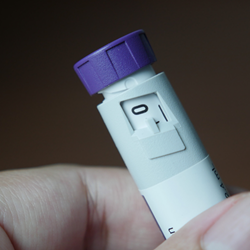
When GLP-1 agonists are stopped, it is common to experience increased hunger, changes in blood sugar levels, and possible weight regain. This guidance has been created to help you manage these changes, reduce the risk of weight regain, and maintain stable blood glucose levels after stopping treatmen…

GLP-1 agonists (also known as GLP-1 analogues, GLP-1 RAs, incretin mimetics and non-insulin injectables)

This resource provides information on the various types of non-insulin tablets and injectables available to help you control your diabetes.

Rybelsus is a tablet version of the medication Semaglutide. Semaglutide also comes in an injectable form called Ozempic and Wegovy. Rybelsus is the first tablet form of the GLP-1 agonist type of medication. There are other similar tablets in development.
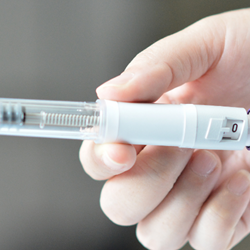
Tirzepatide (Mounjaro) is an injectable medication that is not insulin for people with type 2 diabetes. Tirzepatide and the GLP-1 analogues together are sometimes called “non-insulin injectables” or “incretins”.

GLP-1 Analogues, also known as Incretin Mimetics, are a class of medications that are commonly used to treat type 2 diabetes. This resource explains what they are, how they work and provides information for people taking them.