GLP-1 agonists
(also known as GLP-1 analogues, GLP-1 RAs, incretin mimetics and non-insulin injectables)
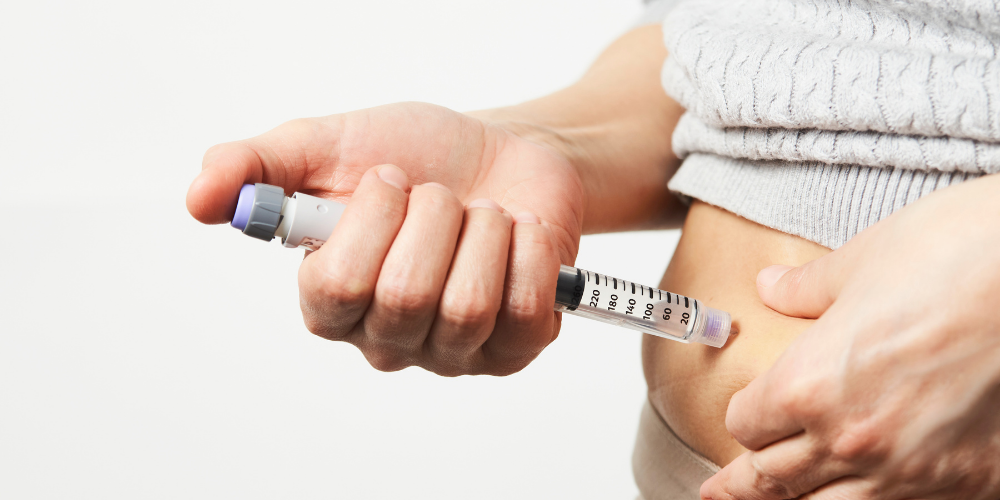
There are several non-insulin injection treatments available for people living with type 2 diabetes. These medicines help lower blood glucose levels and can also support weight management.
They currently fall into two main groups:
-
GLP-1 agonists (also known as GLP-1 analogues or GLP-1 RAs):
- Semaglutide (brand names Ozempic or Wegovy) is one of the most well-known options, but there are others available (see the table below). Semaglutide is also available as a tablet called Rybelsus.
-
GLP-1/GIP agonist combinations:
- These medications act on two hormone pathways. At present, Tirzepatide (brand name Mounjaro) is the only available option in this category, although others are being developed.
This resource focuses on GLP-1 agonists only. You can find more information about Mounjaro (Tirzepatide) in a separate resource.
Generic name |
Brand or Trade name |
|
Semiglutide (once-weekly injection) |
|
|
Liraglutide (once-daily injection) |
|
|
Dulaglutide (once-weekly injection) |
|
 Ozempic, Wegovy
 Victoza
 Trulicity
How do GLP-1 agonists work?
GLP-1 agonists work by copying the action of natural hormones in your body called incretins. These hormones are released from your gut after you eat and help to control blood glucose levels.
Incretins work in several ways:
- Help your body produce more insulin but only when your blood glucose levels are rising
- Reduce the amount of glucose being released by your liver when it isn’t needed
- Slow down how quickly food leaves your stomach, helping you feel fuller for longer
- Reduce your appetite
For most people with type 2 diabetes, these effects can:
Improve blood glucose levels
- In the short term, this means fewer symptoms of high blood glucose levels (such as feeling thirsty).
- In the long term, this means lower risk of developing problems with your eyes, kidneys and feet.
Help with weight management
- Many people taking GLP-1 agonists lose weight. This can be particularly helpful in type 2 diabetes, where weight loss often improves blood glucose control.
Some GLP-1 agonists also have additional benefits in protecting against heart disease, stroke, kidney disease and a liver condition known as Metabolic Dysfunction Associated Liver Disease (MASLD).
How are GLP-1 agonist injections taken?
GLP-1 agonists are given by injection, which you take yourself, using a pre-filled pen device. You may hear these medications described as "non-insulin injectables". Depending on which medication you are on, you give yourself the injections twice a day, once a day or once a week.
GLP-1 analogs with other medications
GLP-1 agonists slow down how quickly food leaves the stomach. This helps with blood sugar and appetite, but it can also affect how your body absorbs other medications. There are a few medications that you should discuss with your healthcare team before you start a GLP-1 agonist:
-
Warfarin or Levothyroxine
- you may need more monitoring with blood tests when you start on a GLP-1 agonist or after a change in dose.
-
Hormone replacement therapy (HRT)
- If you take a tablet form of progesterone or you are unsure what sort of tablet HRT you take, you should speak to your healthcare team. They may suggest a change in dose or moving to an alternative form of HRT.
- If you notice any unusual bleeding, you should inform your healthcare team as soon as possible
Who can have a GLP-1 agonist?
Your healthcare team will talk with you about:
- How your diabetes is currently being managed
- What treatment you use now
- Any other health problems you have
- What matters most to you.
They will also only be able to recommend these medicines on the NHS if you fit the national guidelines set by NICE (National Institute for Health and Care Excellence), details see below. These guidelines can seem confusing, but your healthcare team will guide you through them. It’s important to remember that these medicines don’t work for everyone, and some people may experience side effects or feel unwell when taking them.
GLP-1 agonists for blood glucose control
starting treatment:
Some people may be offered a GLP-1 agonist right at the beginning of their diabetes treatment:
-
If you have previously had a heart attack, stroke or problems with the arteries to your feet
-
Semaglutide (Ozempic) is recommended in combination with other medications*
-
-
People diagnosed with type 2 diabetes under the age of 40
-
NICE suggests “considering” a GLP-1 agonist or Tirzepatide (Mounjaro) in combination with other medications*
-
*If you are being started on multiple medicines, your healthcare team will introduce them one by one. This is to make sure each medicine suits you before adding the next.
After starting other treatments:
-
People living with obesity (defined as a BMI 30 kg/m² or above [or 27.5 kg/m² for people of South Asian, Chinese, other Asian, Middle Eastern, Black African, or African–Caribbean backgrounds])
-
AND you’ve been on our first diabetes treatment for at least 3 months
-
AND additional medicines needed to reach your individual blood glucose targets
-
-
People who have a new heart attack, stroke or problem with the arteries to the feet
-
If you were not already taking a GLP-1 agonist, the guidelines advise starting Semaglutide (Ozempic)
-
-
People diagnosed with type 2 diabetes under the age of 40
-
If you were not already taking a GLP-1 agonist, the guidelines advise “considering” a GLP-1 agonist or Tirzepatide (Mounjaro)
-
There is a lot of research being done on incretins and it is likely that the guidelines will change. Your healthcare team may wish to discuss your treatment with you between your routine appointments.
GLP-1 agonists for weight management only
The only injectable GLP-1 agonist currently recommended in the UK for weight management alone in people with type 2 is Semaglutide (Ozempic).
National guidance says that Semaglutide can only be prescribed within a specialist weight management service. The way that you access these services and the treatments offered varies in different parts of the country. Your healthcare team can advise if this is an option for you.
Note: Tirzepatide (a combined GLP-1/GIP agonist) can also be used for weight management alone, which you can learn more about in our Tirzepatide resource.
Who should not take GLP-1 agonists?
GLP-1 agonists may not be suitable for everyone. You should tell your doctor before starting any of these medications if you:
- Have severe problems with your kidneys
- Have had gastrointestinal disease (particularly pancreatitis)
- Are pregnant, planning a pregnancy or breastfeeding
- Have had allergic reactions to any medications
What are the side effects of taking GLP-1 agonists?
Not everybody will experience side effects from taking this type of medication, however, the most common ones include:
- Diarrhoea
- Nausea
- Vomiting
- Headaches
- Dizziness
- Increased sweating
- Indigestion
- Constipation
- Loss of appetite
Most of the side effects usually go away over time. Sometimes reducing the dose or changing your diet can help.
However, there are two very rare but more serious side effects that you should report immediately to your healthcare team:
 Severe stomach pain
If you have severe and persistent stomach pain, which may go through to your back, with or without vomiting, you must stop taking the GLP-1 agonist and contact your doctor immediately. This may be a sign of pancreatitis (inflammation of the pancreas).
 Sudden changes in vision
If your eyesight suddenly worsens or you experience sudden blindness while taking a GLP-1 agonist, stop the medication and go straight to the eye casualty department (if available in your area) or A&E.
There are also some much less common side effects to look out for:
Low blood sugar (hypoglycaemia)
On their own, GLP-1 agonists will not cause your blood glucose level to go too low (hypoglycaemia = blood glucose level less than 4 mmol/L), but they may increase the risk of this happening if you also take insulin or drugs called sulphonylureas (e.g. gliclazide).
High blood sugar (hyperglycaemia)
If you take insulin as well as a GLP-1 agonist and your insulin is reduced very quickly, then blood sugars can rise (known as hyperglycaemia). Very rarely, the blood sugars rise very high and cause diabetic ketoacidosis (“DKA”).
Problems with anaesthetics
GLP‑1 agonists can slow down how quickly your stomach empties. If you take one of these medicines and need an operation with a general anaesthetic (being fully asleep) or deep sedation, there is a risk that food or drink may still be in your stomach. This can sometimes travel into the lungs during surgery, which can be dangerous.
If you are taking a GLP‑1 agonist, tell your healthcare team, especially the anaesthetist, well before your procedure. They can adjust your preparation and anaesthetic plan to keep you safe.
If you experience any side effects, please discuss them with the doctor or nurse. They can help you decide the safest way to continue your treatment.
Getting the most from your medication
GLP-1 agonists work best for achieving your weight and blood glucose goals when they are taken regularly and combined with healthy lifestyle changes.
Making certain dietary changes can also reduce the risk of side effects, for example eating small, regular, healthy meals and drinking plenty of water.
Making sure your medication is working
It’s important that you attend your regular clinic appointments. After you’ve been taking the medication for a while, your healthcare team will invite you back to check how you’re feeling and whether the treatment is helping you reach your weight and blood glucose goals.
This is a chance to talk about what’s going well and any challenges you’ve experienced.
Depending on how things are going, they might suggest adjusting the dose or stopping it and trying a different medicine. These decisions will be based on the reasons the GLP-1 agonist was started and the goals you agreed together.
Frequently asked questions
 GLP-1 agonists and Driving
GLP-1 agonists should not affect your ability to drive, cycle or use machinery or tools as long as your blood glucose levels are stable.
You should never drive with a low blood glucose level. On their own, GLP-1 agonists will not cause your blood glucose level to go too low (i.e. cause hypoglycaemia, which is classed as a blood glucose level less than 4 mmol/L), but they may increase the risk of this happening if you also take insulin or drugs called sulphonylureas (e.g. gliclazide).
Check with your diabetes care team if you would like further guidance, or have a look at the national guidelines for driving when you have diabetes.
What if I forget to take my medication?
If you forget to take a dose, then take it as soon as you remember unless it’s nearly time for your next dose. In this case, skip the missed dose and just take your next one as normal.
Do not take a double dose to make up for a missed one.
Can I buy GLP-1 agonists over the counter?
If you do not fit the guidelines from NICE, it is possible to buy GLP-1 agonists privately but you will still need a prescription. You must have a consultation with a healthcare professional before the prescription can be issued, so that the prescriber can carry out proper checks and make sure you are aware of the benefits and risks of taking the medicine.
Buying GLP-1 agonists without a prescription can put your health at serious risk and the seller is breaking the law. You can find more advice about buying GLP-1 agonists privately online at the Gov.uk and Greater Manchester Integrated Care Partnership websites, including information on how to tell if a pharmacy is legitimate.
If you do buy GLP-1 agonist privately, make sure to tell your healthcare team so they can make sure your treatment is safe.
What do I do if I am trying for a baby?
We do not yet know if taking a GLP-1 agonist is safe when trying to become pregnant, during pregnancy or while breastfeeding.
If you are planning to start a family, you should speak to your healthcare team about when you should stop your GLP-1 agonist and when it may be safe to re-start it.
When will my healthcare team stop GLP-1 agonist?
Your healthcare team will talk to you about stopping GLP-1 agonist if
- You become underweight (BMI <18.5 kg/m2).
- The medication is not helping reach your blood sugar targets and is not being used to also reduce your risk of heart attacks and strokes.
NOTE: If a GLP-1 agonist has been prescribed within the NHS but outside of national guidelines, your clinical team will need to review your treatment and may stop your prescription.
Are people taking GLP-1 agonists more likely to hurt themselves or commit suicide?
Taking a GLP-1 does not causes people to hurt themselves, consider suicide or take their own lives. There were some concerns about this in the past which led to a full evaluation in the UK and internationally. No evidence was found for an association between GLP-1 receptor agonists and suicide, suicidal thoughts, self-injury or depression.
Can people with type 1 diabetes use GLP-1 agonists?
At present all the GLP-1 agonists are only licensed for people with type 2 diabetes.