Mediterranean Diet
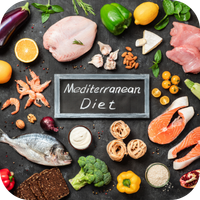
Mediterranean Diet
The Mediterranean Diet is based on the traditional eating patterns of countries bordering the Mediterranean Sea. It focuses on eating mostly plant-based foods, including vegetables, fruit, wholegrains, beans, lentils, nuts and seeds, alongside healthy fats such as olive oil.
Fish and seafood are eaten regularly, while red and processed meats, sugary foods and highly processed foods are limited. This way of eating has been shown to support heart health and can help with weight management when combined with an appropriate calorie intake.
Key principles of the Mediterranean Diet:
- Eat plenty of vegetables and fruit every day.
- Choose wholegrain carbohydrates where possible.
- Include beans, lentils and pulses regularly.
- Use olive oil as the main added fat.
- Eat fish at least twice per week.
- Choose moderate amounts of dairy foods.
- Limit red and processed meats.
- Reduce intake of highly processed foods and sugary drinks.
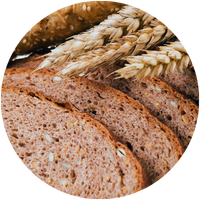
Wholegrain foods
Wholegrains provide fibre and help keep you feeling fuller for longer.
Oats, wholegrain bread, pasta and rice, bulgur wheat and quinoa.
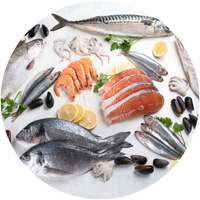
Fish
Oily fish provides omega-3 fats which support heart health.
White fish - haddock, cod. Oily fish - salmon, mackerel, sardines and trout.
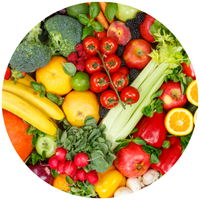
Vegetables
Aim to include vegetables with both lunch and dinner. Try to eat at least 5 portions a day.
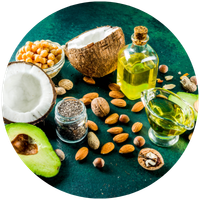
Healthy Fats
These foods contain mainly unsaturated fats and can be used instead of butter, lard and other saturated fats.
Extra virgin olive oil, Olives, Avocados, Nuts and Seeds.
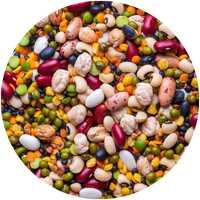
Lentils, beans & pulses
These provide fibre, protein, vitamins and minerals and are naturally low in saturated fat.
Source of lean protein, low fat & high fibre.
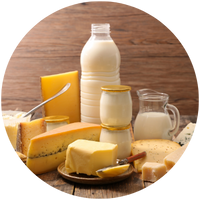
Dairy
Choose moderate portions and opt for lower-fat varieties if weight loss is your goal.
Natural yoghurt, Greek yoghurt, Reduced-fat cheese and Milk

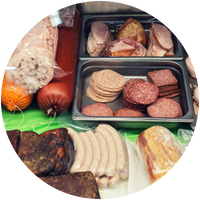

Tips for low fat/calorie diet
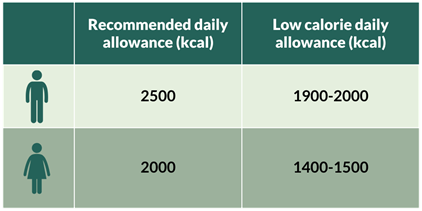
As a guide, men need around 2,500kcal a day to maintain a healthy body weight, and women need around 2,000 kcal a day.
To lose 1–2 lbs (0.5 to 1 kg) per week you need to reduce your calorie intake by 500–600 kcal per day.

A great weight loss tip is to keep a food diary. Apps like MyFitnessPal make it easy, letting you set goals and track the full nutritional breakdown of what you eat.
Apps like Change4Life have a food scanner that lets you scan barcodes to see how much saturated fat is in a product, helping you make healthier choices!
Tips to reduce your fat intake
At home
- Cook with olive oil instead of butter.
- Add beans or lentils to soups, stews and casseroles.
- Fill at least half your plate with vegetables.
- Snack on fruit, nuts or natural yoghurt.
- Include two portions of fish each week.
- Choose wholegrain versions of bread, pasta and rice.
Eating out
- Choose grilled, baked or steamed dishes.
- Ask for dressings and sauces on the side.
- Select tomato-based sauces where possible.
- Add a side salad or vegetables to meals.
- Choose fish or bean-based dishes more often than red meat.
Food labelling
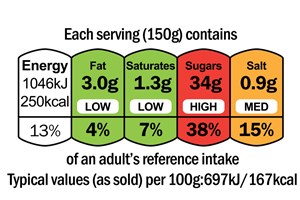
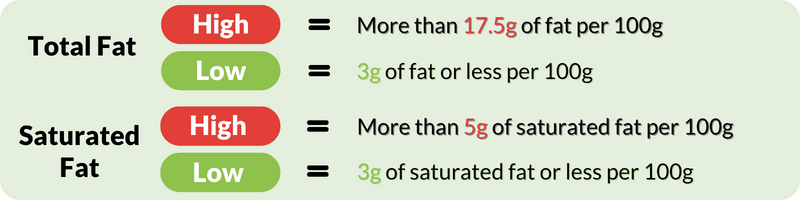
BE AWARE!

